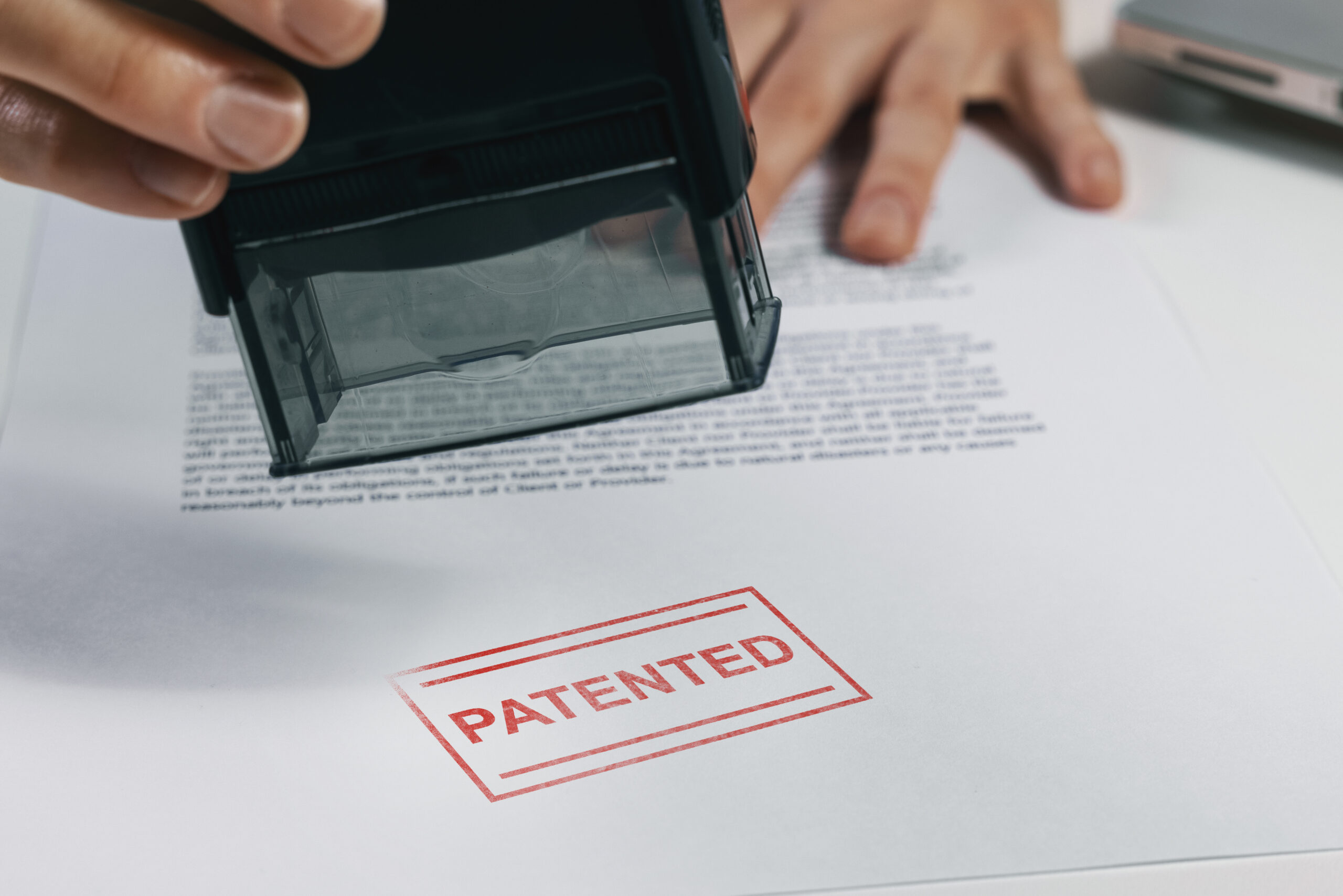
For too long, anti-patent policies have hampered innovation, stifled economic growth, and put the United States at a disadvantage in global competition. Loopholes have allowed large corporations to hijack intellectual property, obstruct access to essential protections like injunctive relief, and limit the ability to license valuable technologies in foreign markets. These failures are a direct threat to the American innovation ecosystem, undermining research and development with misguided attempts to control pricing and “democratize” intellectual property.
However, change is on the horizon. With President Trump’s return to the White House, patent rights and American innovation stand to benefit. His previous advocacy for intellectual property protections and fair competition signals a brighter future for American ingenuity.
The recent momentum in Congress for pro-patent legislation, including the Promoting and Respecting Economically Vital American Innovation Leadership (PREVAIL) Act and the Patent Eligibility Restoration Act, indicates that relief is not just a hope, but a tangible outcome. As we face the possibility of being overtaken by foreign competitors in critical fields such as defense and healthcare, it is crucial that Congress and the incoming administration take swift action to restore the protections that have made the U.S. the world leader in innovation. Conservatives for Property Rights Executive Director James Edwards writes in a new article at Real Clear Policy:
“For years, anti-patent legislation has discouraged innovation, stifled economic growth, and hampered U.S. global competition.
Among the most serious issues are loopholes that enable large companies to steal intellectual property, block access to protections like injunctive relief, and prohibitions on licensing highly valuable technologies in certain foreign markets. Alongside other serious failures, these policies undermine American innovation, crippling research and development at home through self-destructive attempts to control prices and “democratize” intellectual property.
Fortunately, relief is coming soon. President Trump’s return to the White House is a win for patent rights and innovation. His past support for intellectual property protections and emphasis on fair competition portends new opportunities for American ingenuity.
What’s more, demand for patent-protecting legislation has grown in Congress. It’s materializing in the recent advancement of the Promoting and Respecting Economically Vital American Innovation Leadership (PREVAIL) Act and introduction of the Patent Eligibility Restoration Act, and the Realizing Engineering, Science, and Technology Opportunities by Restoring Exclusive Patent Rights (RESTORE) Act.
This legislative momentum, coupled with the free-market economic philosophy of the incoming administration, promises to right the wrongs of past legislation and judicial decisions.
The need for patent reform is a long time coming. The Biden administration has been openly hostile to patent rights. Its proposal to increase government authority and control pharmaceutical pricing via the Bayh-Dole Act, which creates guidelines for the compulsory licensing of federally funded patented technologies, is just one example.
For years, Congress and the courts have consistently degraded protections for intellectual property and patents. In 2006, the Supreme Court in eBay v. MercExchange complicated the process of patent infringement injunction appeals and opened up many patents to copying by de facto compulsory licenses. And in 2011, the American Invents Act established the Patent Trial and Appeal Board, a bureaucratic tribunal that invalidates issued patents and frequently abuses its power.
Today, the patent process is unreliable and rife with IP infringement and outright theft. Countless new inventions may never reach the market, as aspiring inventors and entrepreneurs are often unable to raise investments due to the unpredictability of the patent system. Current laws not only block access to IP protections, they empower bad actors looking to abuse the system.
If the new administration and Congress do not act soon, our foreign adversaries will succeed on their current path to surpass U.S. technological advancements. The United States will fall behind in the race for technological dominance and crucial advancements ranging from military preparedness to lifesaving healthcare innovations.
This January, the President-elect, working alongside Congress, should focus on swiftly unleashing the private sector from burdensome and misguided policies.
Top priorities should be ensuring access to injunctive relief, supporting pro-patent legislation, and appointing officials who are staunch defenders of patent rights and economic approaches that promote innovation and American leadership.
Trump’s already announced selection of Howard Lutnick as Secretary of Commerce is a welcome sign. Lutnick understands first-hand the value of intellectual property, both as the holder of multiple patents personally and as head of Cantor Fitzgerald, which opened a Global Intellectual Property Auction Marketplace for patent owners and acquirers a decade ago. Lutnick will be a welcome advocate for the rights of inventors to the fruits of their creative labor.
As I have argued, President Trump’s appointees for the U.S. Patent and Trademark Office and the National Institute of Standards and Technology must echo his emphasis on patent protections for free enterprise and innovation. Pro-patent advocates have every reason to believe that Mr. Lutnick will demand these same qualities from his subordinates. To do otherwise would run counter to the high pro-innovation standard set by Trump’s first administration.”